Type rating in Canada. Preparation in Denmark.

How the Danish Air Force Home Guard prepares its DHC-6 Twin Otter pilots before they fly to Canada, using a cockpit procedure trainer their own instructors maintain.
CHALLENGE

Every seat sent to Canada has to be justified

The Home Guard operates the DHC-6 Twin Otter for surveillance, and its pilots complete their type rating in Canada. As a volunteer organization on public funding, every seat sent abroad is a decision that has to be defended. The more a pilot knows before traveling, the more the trip is worth.
What we captured

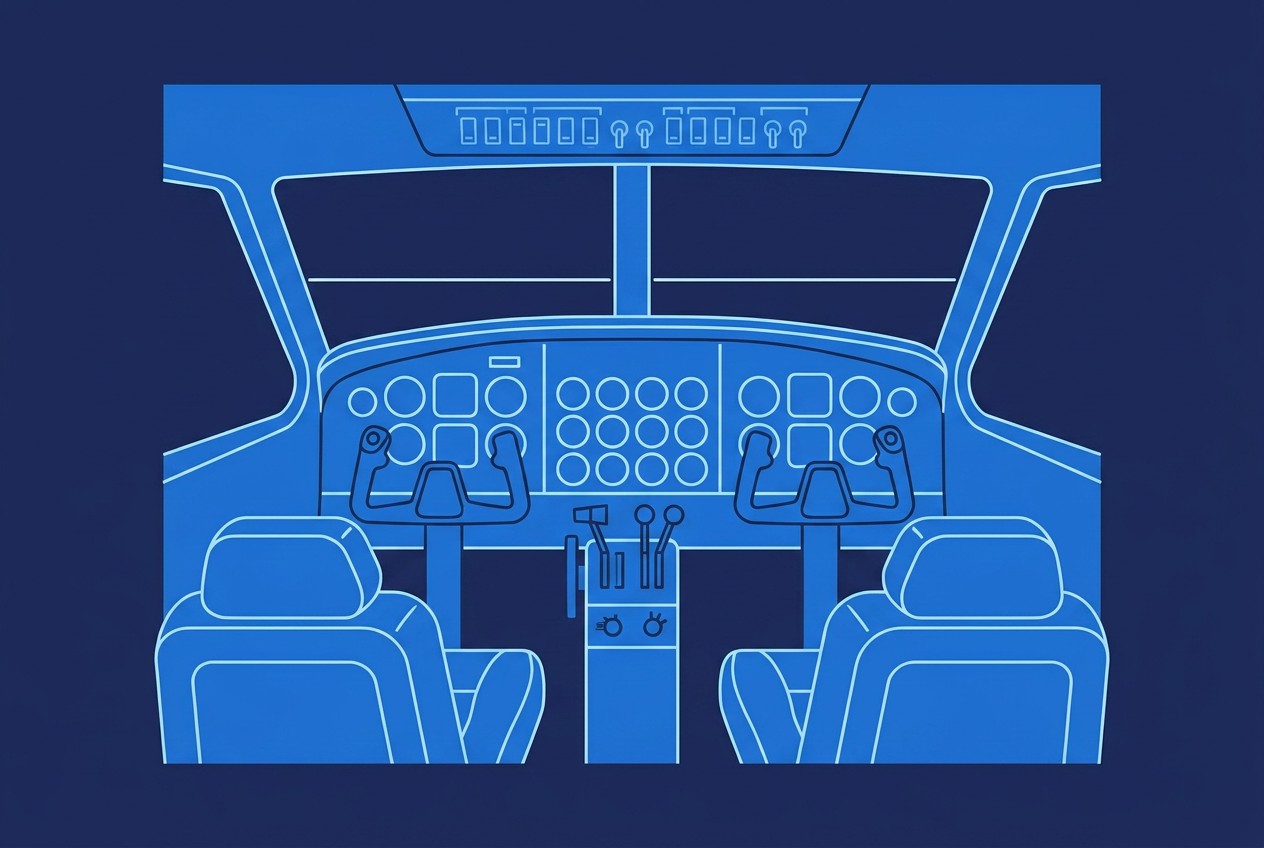
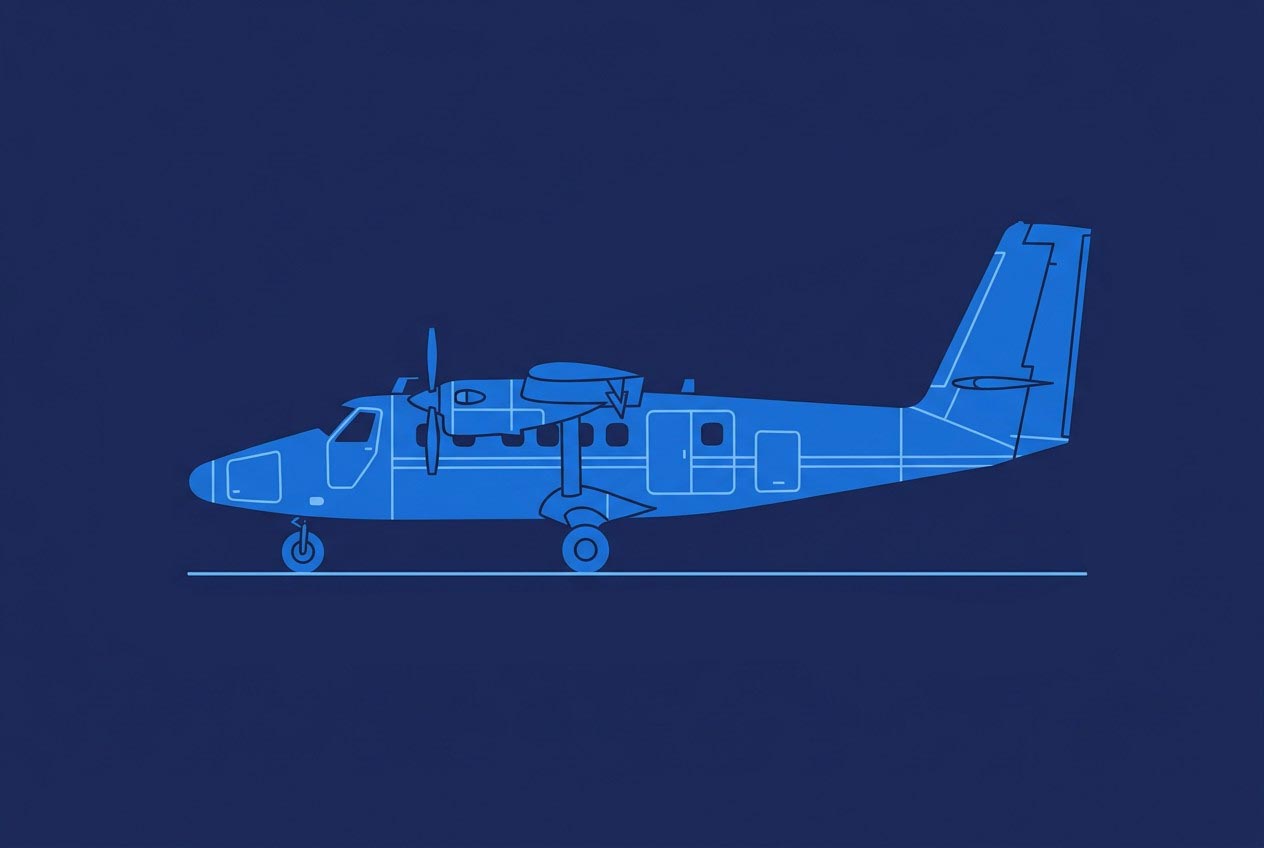
Three parts of the aircraft, photographed in 360°. Shown here as diagrams: the photography stays internal.
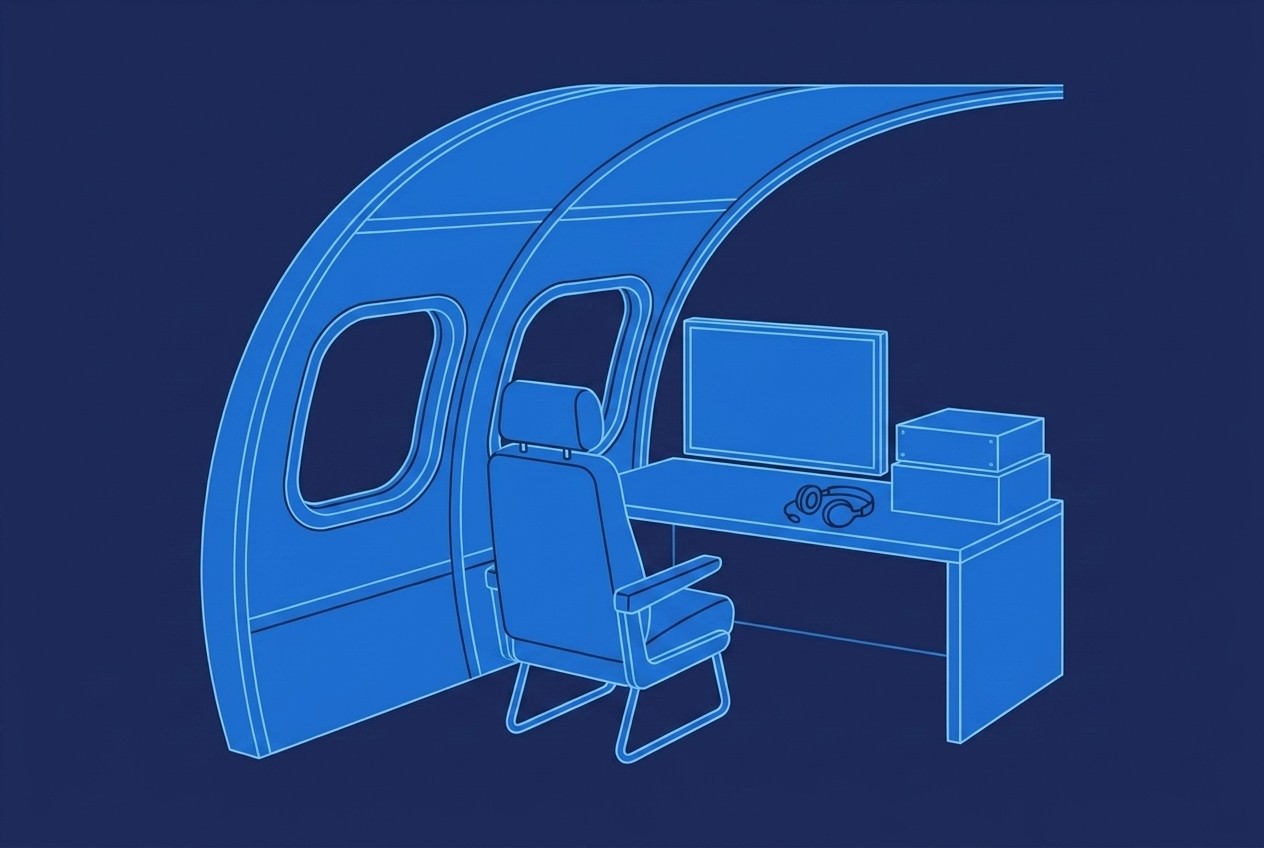
The DHC-6 Twin Otter cockpit, captured in 360° for the Home Guard procedure trainer

The cockpit

Every switch, label and wear mark exactly as it sits in the aircraft. Built into a complete procedure trainer, from the pre-flight inspection through to shut-down.
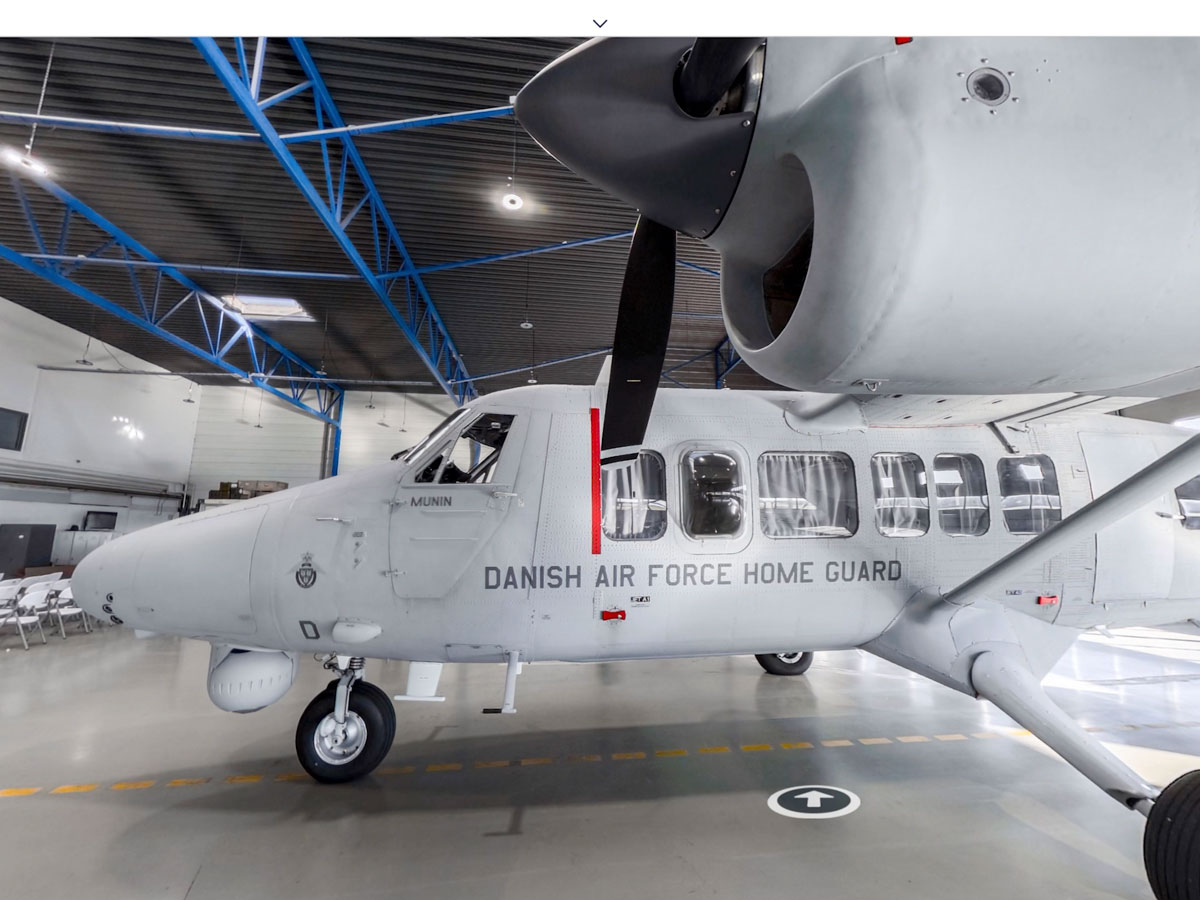
The DHC-6 Twin Otter exterior, captured in 360° for walk-around familiarization

The exterior

Captured in 360° for walk-around familiarization and pre-flight inspection.
A mission operations area on the Home Guard DHC-6 Twin Otter

A mission operations area

Photographed on the same aircraft, and built into familiarization and procedure training.
The Twin Otter cockpit procedure trainer running on an iPadiPad Pro device frame displaying a Panomio training course
WHAT WE BUILT
SOLUTION

A complete cockpit procedure trainer

Pilots work through the Twin Otter cockpit on their own iPads before they ever sit in the aircraft. The trainer covers the full sequence, from pre-flight inspection through engine start, taxi and take-off to shut-down, with both commander and first officer flows.
OWNERSHIP

Their instructors own the content

When a procedure changes, the Home Guard updates the trainer directly. No supplier, no change request, no waiting.

Pilots work through the cockpit on their own devices, in their own time.
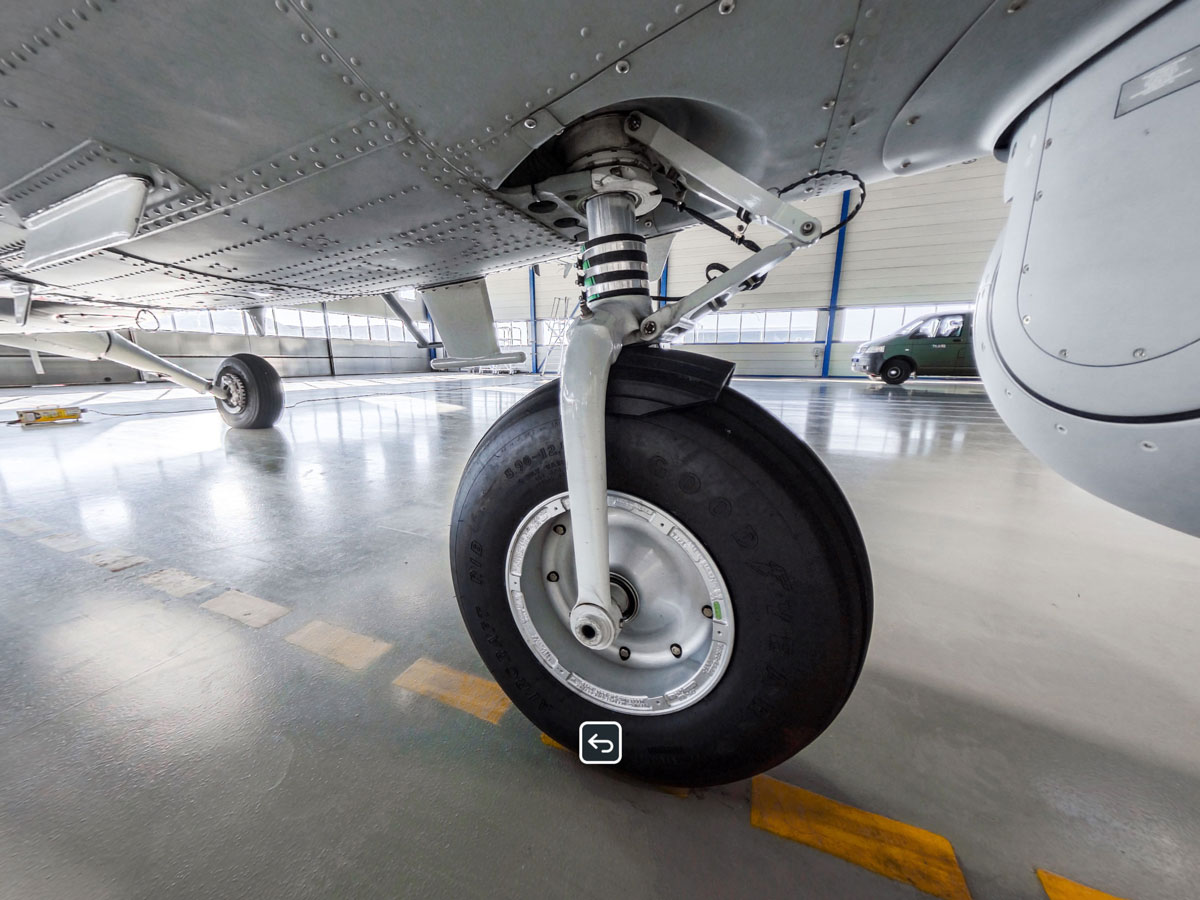
A Twin Otter nose wheel inspection step in the trainer, with a tap-to-identify taskiPad Pro device frame displaying a Panomio training course
Identify the component
Tap the correct location
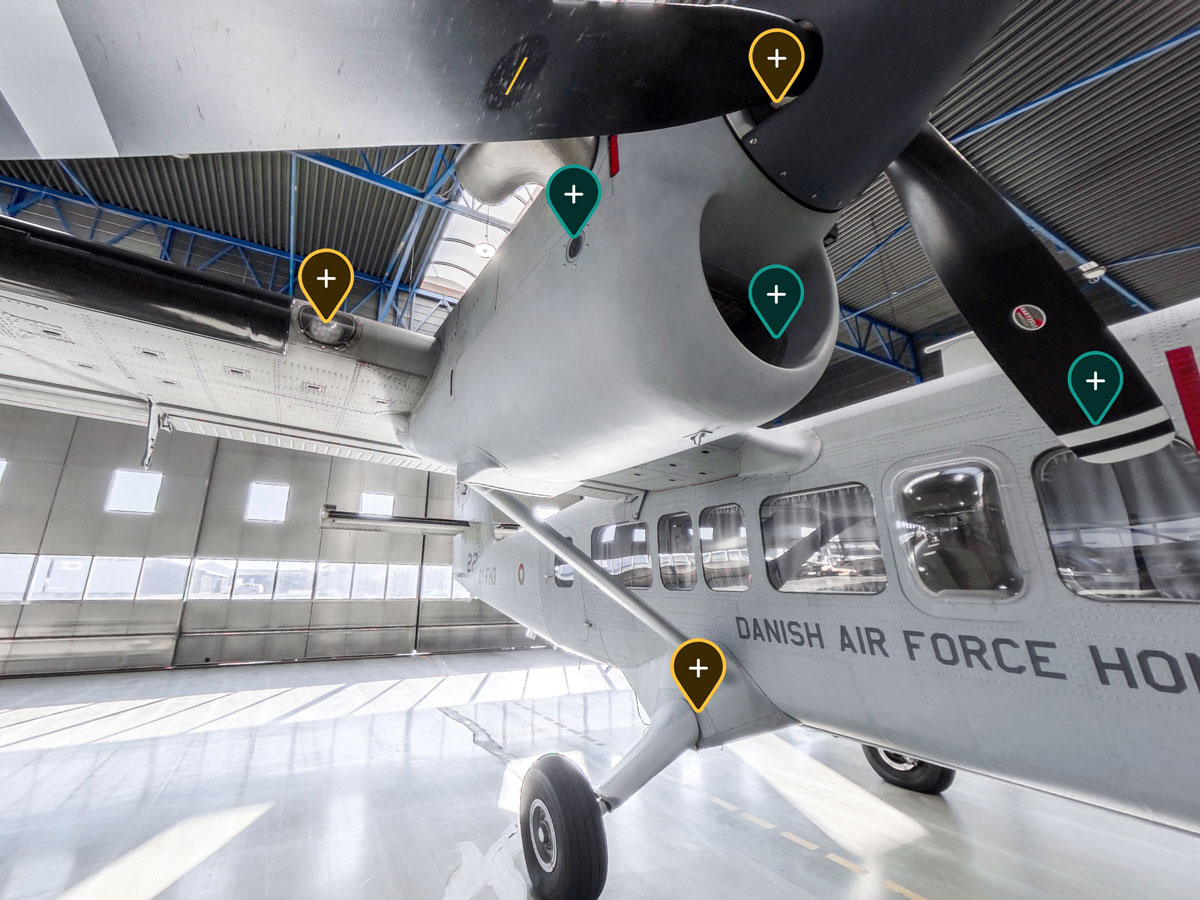
Interactive hotspots on the Twin Otter exterior in the Panomio traineriPad Pro device frame displaying a Panomio training course
SELF-PACED

Training that fits around a volunteer's week

The Home Guard is a volunteer organization. Its pilots prepare in whatever time they have, in the evenings or at weekends, rather than waiting for a fixed course date.

What it changes

Preparation happens in Denmark, so the time abroad goes further. In a Panomio study at Lund University School of Aviation, students who prepared this way freed up 20 extra minutes of simulator time per session.

Ready before departure

Pilots learn the cockpit procedures in Denmark first, on their own iPads.

Maintained in-house

The Home Guard's own instructors author and update the content.

Repeat as often as needed

Pilots can work through the flows as many times as they like, on a cockpit that is always available.
Our DHC-6 pilots complete their type rating in Canada. Every pilot we send abroad is a decision we have to justify, so the more our pilots know before they travel, the more we get out of the training.

We built a complete digital procedure trainer for the Twin Otter cockpit in Panomio, covering everything from the pre-flight inspection through to shut-down, with both commander and first officer flows. This is specific for our procedure and operation.

Our pilots work through it on their own iPads and phones before they ever sit in the aircraft. We maintain the content ourselves, so it stays current without work from a supplier.
Árni K. Borgarlid, Chief Pilot, Danish Air Force Home Guard (Flyverhjemmeværnet)

Start with one piece of equipment

Tell us which procedure matters most. We come to you, photograph it in a day, and have familiarization training running in four to six weeks.